Turkey Factory Blast: Investigation into Deadly Ammunition Explosion Unearths Broader Implications for Global Supply
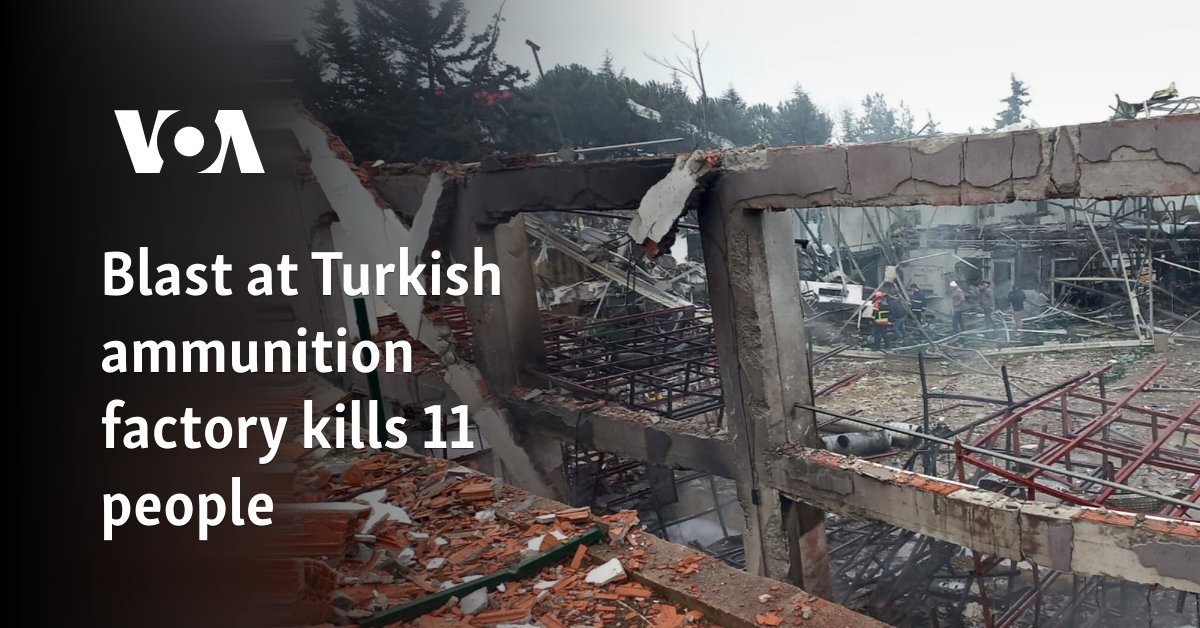
A tragic incident in Turkey has once again cast a spotlight on the critical and often perilous nature of ammunition production. A devastating explosion at an ammunition and explosives factory in the northwestern province of Balikesir resulted in the loss of at least 12 lives and left four others injured. This somber event not only highlights the inherent risks faced by workers in such facilities but also draws attention to the complex and expanding role Turkey plays in the international ammunition supply chain. As authorities launch a full-scale investigation into the blast, the broader "ammunition issue Turkey" encompasses everything from domestic industrial safety to its strategic importance in meeting escalating global demands for military-grade explosives.
Tragedy Strikes: Unpacking the Balikesir Ammunition Factory Blast
The early morning of the incident saw a catastrophic blast rip through the capsule production section of the factory in Balikesir at approximately 08:25 local time. Eyewitness accounts from the nearby Köteyli township reported tremors, while immediate footage captured a massive fireball erupting from the facility, followed by plumes of dark smoke that marred the morning sky. The sheer force of the explosion was evident in the mangled steel and debris scattered across the surrounding area, indicating a significant structural failure within the building.
Ismail Ustaoglu, the governor of Balikesir, swiftly confirmed the fatalities and injuries, expressing profound condolences to the families affected. Interior Minister Ali Yerlikaya assured the public that sabotage had been ruled out as a cause, directing the focus towards potential operational or technical failures. Justice Minister Yilmaz Tunc confirmed the launch of a comprehensive investigation into the precise circumstances that led to this deadly event. This inquiry will delve into various factors, including adherence to safety protocols, equipment maintenance, and operational procedures, to prevent future tragedies. The prompt response from numerous fire crews, health, and security units underscores the gravity of the situation and the immediate priority placed on managing the aftermath and supporting those affected. Such incidents serve as a stark reminder of the immense pressures and inherent dangers in the high-stakes world of ammunition manufacturing, making the "ammunition issue Turkey" a matter of profound industrial and human safety.
Beyond the Headlines: Turkey's Growing Role in Global Ammunition Supply
While the recent factory blast brings immediate sorrow, it also occurs against a backdrop of Turkey's increasingly vital role in the global defense industry. Far beyond domestic production for its own forces, Turkey has emerged as a key player in international efforts to bolster ammunition stockpiles, particularly in the wake of significant geopolitical events like the ongoing conflict in Ukraine. The immense consumption of artillery shells and other munitions in modern warfare has severely depleted inventories among Western allies, prompting urgent negotiations to ramp up production.
In a significant development, the United States has been in active negotiations with Turkey to secure additional explosives supplies. These discussions aim to substantially increase the production of NATO-standard 155mm caliber ammunition, a critical component for modern artillery systems. Turkey's contributions of essential raw materials, specifically trinitrotoluene (TNT) and nitroguanidine, are pivotal to this initiative. Officials indicate that this strategic partnership could potentially triple the current ammunition production rates, offering a much-needed boost to global supply chains. The effort extends beyond simply receiving supplies; it includes establishing new production facilities in the United States, with Turkish subcontractors playing a crucial role in developing projectile metal parts lines in Texas. Projections suggest that Turkish explosive supplies could account for a significant portion of US-manufactured artillery shells by 2025. This collaboration underscores the evolving dynamics of the "ammunition issue Turkey" and its strategic importance to international defense efforts. This strategic alliance is further emphasized by anticipated high-level meetings between Turkish President Recep Tayyip Erdogan and President Biden, aiming to strengthen bilateral ties despite past diplomatic friction. For a deeper dive into these strategic negotiations, read more about the
US-Turkey Ammunition Deal: Boosting Global Supply for NATO.
The Dynamics of Ammunition Production and Supply Chain Security
The manufacturing of ammunition, especially explosives, is an inherently hazardous process that demands stringent safety measures and meticulous quality control. Any lapse can lead to catastrophic consequences, as tragically demonstrated by the Balikesir explosion. Global demand for ammunition, particularly military-grade, is highly sensitive to geopolitical tensions. When conflicts escalate, the need for rapid and increased production puts immense pressure on existing facilities and supply chains. This urgency can sometimes strain safety protocols if not managed with extreme caution.
From a supply chain perspective, relying on a single or limited number of sources for critical components, such as the explosives Turkey provides, carries its own set of risks. Diversification of suppliers and robust logistics are crucial for maintaining resilience. Furthermore, industrial accidents, while potentially unrelated to military production per se, can still have broader implications. They can lead to temporary shutdowns, increased scrutiny, and potentially impact investor confidence or the willingness of countries to engage in certain partnerships. Therefore, ensuring comprehensive safety and operational excellence is not just a moral imperative but also a strategic necessity for any nation heavily involved in the "ammunition issue Turkey" or global supply.
Diverse Facets of Turkish Ammunition: From Military to Hunting
The "ammunition issue Turkey" is not solely confined to military hardware and industrial explosives; it also extends to the civilian market, demonstrating a broader spectrum of manufacturing capabilities. Beyond the heavy industrial production for defense, Turkey is also a player in the specialized hunting ammunition sector. A prime example is Apex Ammunition, known for its premium handloaded ultra-high-density Tungsten Super Shot (TSS) shotshells, which are now shipping their new Turkey TSS loads.
These specialized shotshells are engineered for maximum penetration at extended ranges, catering to the specific demands of serious hunters. Apex Turkey TSS loads are available in a wide array of gauges, including 10-, 12-, 16-, 20-, 28-gauge, and .410 bore options, with various shot sizes, shell lengths, and blends. What sets them apart is their meticulous handloading process, which ensures ultimate consistency and stringent quality control. The high density of Apex TSS (18.1 g/cc) allows for the use of smaller shot sizes while packing a larger payload, meaning hunters can achieve more pellets on target and deliver maximum downrange energy. This blend of precision manufacturing and advanced material science highlights the sophisticated aspects of Turkey's involvement in the ammunition industry, catering to diverse needs from strategic defense to specialized sporting applications. To learn more about this innovative hunting ammunition, explore
Apex Ammunition's Turkey TSS: The Ultimate Shotshell for Hunters.
Ensuring Safety and Quality: Best Practices in Ammunition Manufacturing
Given the inherent dangers of manufacturing explosives and ammunition, adhering to best practices in safety and quality control is paramount. Investigations into incidents like the Balikesir blast often uncover critical lessons that can enhance industry standards globally. Here are some key practices:
- Rigorous Safety Protocols: Implementing and strictly enforcing comprehensive safety manuals, including lock-out/tag-out procedures, confined space entry protocols, and hazardous material handling guidelines.
- Regular Equipment Maintenance and Inspections: A robust preventative maintenance program to identify and rectify potential mechanical failures or wear and tear before they lead to incidents.
- Continuous Employee Training: Ensuring all personnel, from new hires to seasoned veterans, receive regular and up-to-date training on safety procedures, emergency response, and the proper handling of materials.
- Quality Control at Every Stage: Implementing meticulous quality checks from raw material sourcing to final product assembly to prevent defects that could compromise safety or performance.
- Emergency Preparedness: Developing and routinely practicing detailed emergency response plans, including evacuation procedures, fire suppression, and medical aid, to minimize damage and casualties in the event of an incident.
- Independent Audits: Conducting periodic independent safety and operational audits to ensure compliance with national and international standards and identify areas for improvement.
- Transparent Reporting and Learning: Fostering a culture where near-misses and minor incidents are reported and analyzed to learn from them and prevent larger catastrophes.
These measures are crucial not only for the safety of workers but also for maintaining the integrity and reliability of the ammunition supply chain, which is increasingly under scrutiny as the "ammunition issue Turkey" gains international prominence.
Conclusion
The recent deadly factory blast in Balikesir serves as a tragic reminder of the dangers inherent in ammunition production, prompting a thorough investigation into its causes. This somber event, however, is just one facet of the broader "ammunition issue Turkey" – a landscape characterized by both profound human risk and significant strategic importance. From its growing role as a crucial supplier of military-grade explosives to meet escalating global demands, to its specialized contributions to the hunting ammunition market, Turkey's involvement in this vital industry is multifaceted and impactful. As investigations continue and global partnerships deepen, ensuring the highest standards of safety, quality, and ethical production remains paramount, reflecting not only a commitment to worker welfare but also to the stability and security of international supply chains.