US-Turkey Ammunition Deal: Strengthening Global Supply for NATO
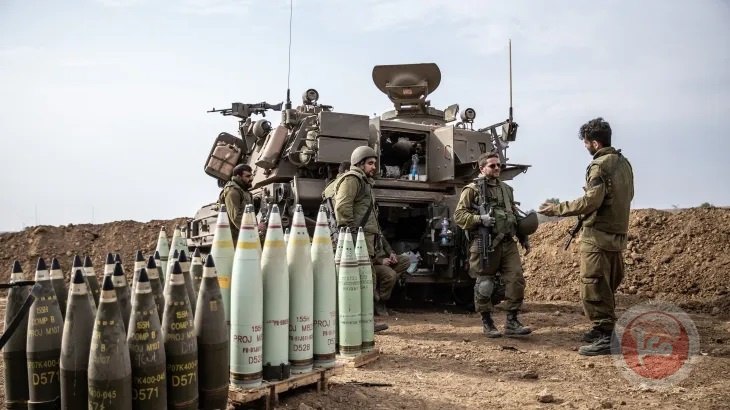
In an era marked by escalating geopolitical tensions and a heightened demand for military resources, the United States is actively engaging with Turkey to bolster global ammunition production. This strategic partnership aims to significantly increase the supply of critical military ammunition, particularly NATO-standard 155mm artillery shells, addressing a pressing global ammunition issue Turkey is poised to help alleviate. The discussions underscore a vital effort to fortify the supply chains for Western allies, especially in light of ongoing conflicts that have rapidly depleted existing stockpiles.
The urgency of this collaboration cannot be overstated. With the conflict in Ukraine consuming vast quantities of artillery rounds, Western nations are scrambling to replenish their reserves and sustain support for their partners. Turkey, with its established industrial base and strategic location, is emerging as a crucial player in this global rearmament effort.
The Strategic Imperative: Why Turkey?
The global demand for military ammunition, particularly the widely used 155mm caliber artillery shells, has surged to unprecedented levels. The war in Ukraine has laid bare the vulnerabilities in Western defense supply chains, prompting a rapid reassessment of manufacturing capabilities and international partnerships. For the United States and its NATO allies, ensuring a consistent and robust supply of ammunition is paramount for maintaining deterrence and readiness.
Turkey's role in this equation is multifaceted and strategically significant. The country possesses a strong manufacturing infrastructure and has the capacity to produce key explosive components vital for modern artillery shells. Specifically, the US is negotiating for increased supplies of trinitrotoluene (TNT) and nitroguanidine from Turkish sources. These materials are foundational to the propellants and high-explosive fillers in artillery rounds, making Turkey's contribution indispensable.
Officials familiar with these negotiations suggest that securing Turkish explosives could potentially triple the current ammunition production rates, a critical boost for depleted Western arsenals. This initiative goes beyond merely acquiring finished products; it involves integrating Turkish-supplied raw materials into new and expanded production facilities within the United States. Such a move not only increases output but also diversifies the supply chain, enhancing its overall resilience against future disruptions.
Forging a Resilient Supply Chain: Mechanics of the Deal
The US-Turkey ammunition deal represents a sophisticated approach to supply chain management, moving beyond simple procurement to foster deeper industrial collaboration. The plan involves General Dynamics Ordnance and Tactical Systems spearheading the establishment of three new projectile metal parts lines in Texas. Crucially, Turkish subcontractors are expected to play a pivotal role in this expansion, providing essential components and expertise.
By leveraging Turkish industrial capacity for explosives and integrating it into US manufacturing lines, the initiative aims for a significant increase in the production of 155mm artillery shells. Projections indicate that if this deal comes to fruition, Turkish explosives could account for a substantial portion of US-manufactured artillery shells by as early as 2025. This collaboration transforms what might have been an ammunition issue Turkey could merely help solve, into a long-term strategic partnership that strengthens the entire NATO defense industrial base.
This strategic push comes at a time of renewed diplomatic engagement between Washington and Ankara. An anticipated meeting between Turkish President Recep Tayyip Erdogan and President Biden at the White House is expected to formalize aspects of this agreement, while also seeking to mend past rifts over issues such as Syria, Russia, and trade. The ammunition deal, therefore, serves a dual purpose: enhancing defense capabilities and strengthening bilateral ties between two key NATO allies.
Navigating Risks and Ensuring Safety in Ammunition Production
While the focus is on boosting production, the inherent risks associated with ammunition manufacturing cannot be overlooked. The production of explosives and ordnance is a highly complex and dangerous process that demands stringent safety protocols. A stark reminder of these dangers came from a tragic incident in north-west Turkey, where an explosion at an ammunition and explosives factory resulted in numerous fatalities and injuries.
The blast, which occurred in the capsule production section of a facility in Balikesir, highlighted the critical need for robust safety measures and continuous oversight within the industry. Investigations into such incidents are paramount to understanding their causes and implementing preventative measures to protect workers and facilities. This tragic event, though unrelated to the specific explosives in the US-Turkey deal, underscores the global responsibility for safe manufacturing practices across all sectors of the ammunition industry. For more details on this incident, refer to our article: Turkey Factory Blast: Investigation into Deadly Ammunition Explosion.
Ensuring the safety and reliability of manufacturing processes, especially when scaling up production, is a critical component of any successful defense industrial strategy. Both the US and Turkey, as responsible global actors, must prioritize these considerations as they work to expand ammunition output.
Beyond Military: Turkey's Diverse Ammunition Landscape
Turkey's involvement in the ammunition sector is not limited solely to military-grade explosives for artillery. The country's manufacturing capabilities extend to various specialized ammunition types, reflecting a broader industrial capacity. For instance, Turkey is also a player in the production of high-performance hunting ammunition. Apex Ammunition, a company known for its premium handloaded ultra-high-density Tungsten Super Shot (TSS) shotshells, now ships its new Turkey TSS loads, offering maximum penetration for extended ranges.
These specialized hunting loads, available in multiple gauges and shot sizes, demonstrate precision manufacturing and quality control, which are hallmarks of a mature ammunition industry. While distinct from military applications, the capability to produce such advanced components hints at the underlying engineering and manufacturing prowess that can be leveraged across different ammunition sectors. For a deeper dive into these specialized products, you can read more at: Apex Ammunition's Turkey TSS: The Ultimate Shotshell for Hunters.
This diversification underscores Turkey's potential as a versatile partner in the global ammunition market, capable of contributing across a spectrum of needs, from critical military supplies to specialized sporting rounds.
Looking Ahead: Implications for NATO and Global Security
The US-Turkey ammunition deal represents a significant step towards addressing the current global ammunition issue Turkey is uniquely positioned to impact. By increasing the supply of vital 155mm artillery shells, this partnership will not only bolster the resilience of NATO's defense industrial base but also provide crucial support for allies like Ukraine. It highlights a pragmatic approach to international cooperation, prioritizing shared security objectives even amidst complex geopolitical landscapes.
The success of this initiative will hinge on effective coordination, rigorous quality control, and an unwavering commitment to safety standards. As the world navigates an increasingly volatile security environment, strategic alliances and robust supply chains for critical defense materials will remain indispensable for maintaining peace and stability.